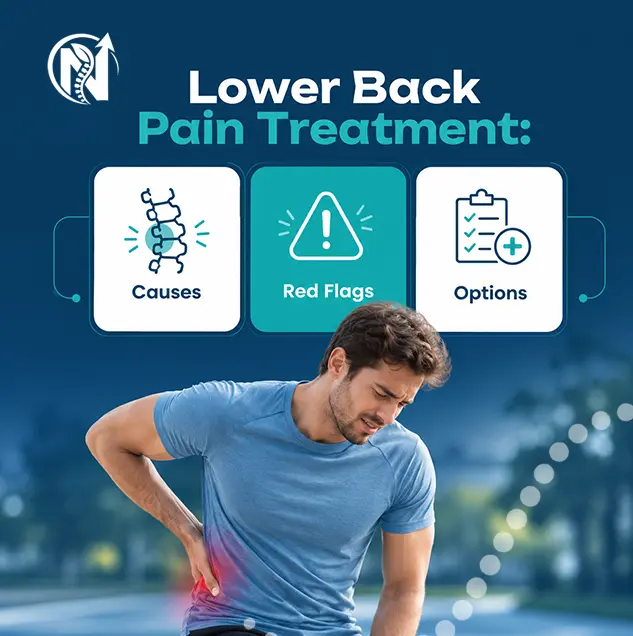
Lower back pain can start as a small ache and slowly become something that affects your work, sleep, walking, driving, exercise, and daily comfort.
For some people, the pain improves with rest and basic home care. For others, it keeps coming back, spreads into the leg, or becomes intense enough that it is difficult to ignore.
When pain does not go away, the most important step is understanding why it is happening. The right lower back pain treatment depends on the source of the pain, how long it has been present, whether nerves are involved, and how much it is limiting your daily life.
At NorthEast Medical, patients in Brooklyn, Staten Island, Jersey City, Edison, and nearby New York and New Jersey communities can receive evaluation for back pain, sciatica, nerve pain, joint-related pain, and other chronic pain conditions.
NorthEast Medical describes back pain as pain that may feel like a dull ache or sharp lower back pain, may worsen with activity, and may include stiffness or pain radiating into the leg.
Why Lower Back Pain Happens
Lower back pain can come from several different structures in the body. It may involve the muscles, ligaments, tendons, discs, joints, bones, or nerves.
The National Institute of Arthritis and Musculoskeletal and Skin Diseases explains that back pain can occur when mechanical or structural problems develop in the spine, discs, muscles, ligaments, or tendons, or when a nerve is compressed.
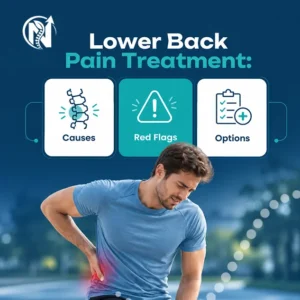
Common causes may include:
- Injury after a fall, accident, sports activity, or work-related strain.
- Muscle strain from lifting, bending, twisting, or overuse.
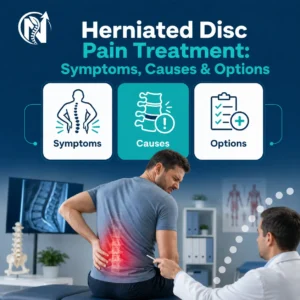
- Disc problems, including herniated or bulging discs.
- Poor posture, repetitive stress, or prolonged sitting.
- Arthritis in the spine or facet joints.
- Sciatica or nerve compression.
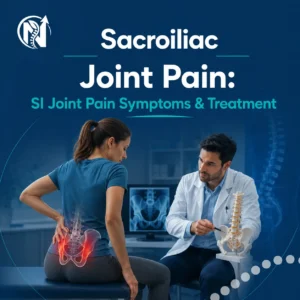
- Sacroiliac joint irritation.
Because the causes can overlap, lower back pain treatment should not be based only on where the pain is felt. Two patients may both say they have lower back pain, but one may have muscle-related pain while another may have nerve irritation, facet joint pain, or sacroiliac joint pain.
When Lower Back Pain Becomes More Than a Temporary Problem
Many mild cases of back pain improve with time. However, pain that lasts longer than expected, keeps returning, or limits your normal activity should be evaluated.
You may need professional lower back pain treatment if your pain:
- Lasts longer than a few weeks.
- Gets worse instead of better.
- Keeps returning after temporary improvement.
- Spreads into the buttock, thigh, calf, or foot.
- Causes numbness, tingling, burning, or weakness.
- Makes it hard to walk, sit, stand, bend, or sleep.
Mayo Clinic recommends medical evaluation when back pain lasts longer than a few weeks, is severe and does not improve with rest, spreads down one or both legs, or causes weakness, numbness, or tingling.
Red Flags: When to Seek Urgent Medical Care
Most lower back pain is not an emergency, but certain symptoms should never be ignored. These are often called red flags because they may suggest a more serious underlying condition.
Seek urgent medical care if lower back pain is associated with:
- Fever or signs of infection.
- Unexplained weight loss.
- New loss of bladder or bowel control.
- Numbness in the groin or saddle area.
- Severe weakness in one or both legs.
- Pain after major trauma, such as a fall or car accident.
- A history of cancer with new or worsening back pain.
Research on low back pain red flags identifies serious categories that clinicians screen for, including malignancy, fracture, cauda equina syndrome, and infection. Mayo Clinic also advises urgent or prompt evaluation for back pain with fever, new bowel or bladder problems, trauma, unexplained weight loss, or neurological symptoms such as weakness, numbness, or tingling.
Sciatica: When Lower Back Pain Travels Down the Leg
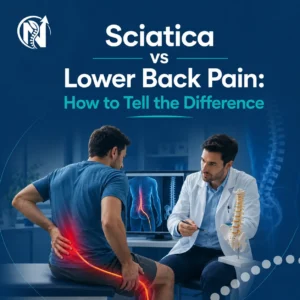
One of the most common reasons people search for lower back pain treatment is pain that travels down the leg. This is often described as sciatica.
Sciatica-like pain may feel sharp, burning, electric, or shooting. It may start in the lower back or buttock and move into the thigh, calf, or foot. It can also come with numbness, tingling, or weakness.
This type of pain may happen when a nerve root in the lower spine becomes irritated or compressed. A herniated disc, spinal narrowing, inflammation, or other spine-related conditions may be involved. Mayo Clinic notes that back pain spreading down one or both legs, especially below the knee, is a reason to contact a healthcare professional.
For patients in Brooklyn, Staten Island, Jersey City, Edison, and surrounding areas, a pain management evaluation can help determine whether leg pain is related to the spine, a nerve, the sacroiliac joint, the hip, or another source.
How Doctors Diagnose Lower Back Pain
A proper diagnosis is the foundation of effective lower back pain treatment. During an appointment, a pain management specialist may ask about the location, timing, intensity, and pattern of your pain. They may also ask what makes it worse, what improves it, whether it travels into the leg, and how it affects daily life.
The evaluation may include:
- Neurological testing for reflexes, sensation, and strength.
- Review of X-rays, MRI, CT scans, or prior records.
- Discussion of previous treatments.
- Movement and mobility testing.
- A medical history review.
- Physical examination.
In some cases, diagnostic injections or nerve blocks may be used to help identify whether pain is coming from a specific joint, nerve, or spinal structure.
NorthEast Medical lists treatment options that may also help with diagnosis and management, including medial branch blocks, epidural steroid injections, facet joint injections, sacroiliac joint injections, radiofrequency ablation, and other interventional pain procedures.
Conservative Lower Back Pain Treatment Options
For many patients, initial lower back pain treatment begins with conservative care. This may be enough for mild or recent pain, especially when there are no red flags or major neurological symptoms.
Conservative options may include:
- Anti-inflammatory medication when appropriate.
- Core strengthening and mobility work.
- Weight management when relevant.
- Muscle relaxants when prescribed.
- Posture and ergonomics changes.
- Activity modification.
- Heat or cold therapy.
- Gentle stretching.
- Physical therapy.
The American College of Physicians recommends non-drug therapies such as superficial heat, massage, acupuncture, or spinal manipulation for acute or subacute low back pain.
If medication is needed, ACP notes that NSAIDs or skeletal muscle relaxants may be considered by physicians and patients. NIAMS also advises avoiding prolonged bed rest and gradually increasing physical activity as tolerated.
The key is to avoid doing nothing for too long. Rest may help briefly, but staying inactive for an extended period can sometimes make stiffness and weakness worse.
When Interventional Pain Management May Help
If conservative care does not provide enough relief, or if symptoms suggest nerve or joint involvement, interventional options may be considered. These treatments are not the same for every patient. They should be selected based on diagnosis, symptoms, imaging, physical exam findings, and medical history.
Possible interventional lower back pain treatment options may include:
Medial branch blocks: These injections target nerves that supply the facet joints and may help diagnose or manage pain related to facet joint arthritis.
Facet joint injections: These may be considered when localized back pain is believed to come from inflamed or arthritic facet joints.
Sacroiliac joint injections: These may help diagnose or reduce pain coming from the sacroiliac joint, which is located where the sacrum meets the pelvis.
Radiofrequency ablation: This treatment uses heat generated by radio waves to target nerve fibers carrying pain signals and may be considered for certain joint or facet-related pain patterns.
A pain management specialist can explain whether these options are appropriate and what to expect before, during, and after treatment.
Does Lower Back Pain Always Require Surgery?
No. Many patients improve without surgery, especially when the cause is identified early and treated with the right plan. The American Association of Neurological Surgeons lists several non-surgical treatment options for low back pain, including physical therapy, back exercises, weight reduction, steroid injections, NSAIDs, acupuncture, rehabilitation, and limited activity.
It also notes that physicians often recommend several weeks of conservative therapy before considering surgery.
Surgery may be needed in some cases, especially when there is severe nerve compression, progressive weakness, serious structural problems, or symptoms that do not respond to appropriate care. But for many patients, lower back pain treatment can involve non-surgical or minimally invasive options first.
When to Schedule an Appointment
You should consider scheduling an appointment for lower back pain treatment if pain has lasted more than a few weeks, keeps returning, affects your daily routine, travels into the leg, or has not improved with conservative care.
A specialist can help answer important questions:
- What is causing the pain?
- Is physical therapy enough?
- Can I avoid or delay surgery?
- Do I need imaging or further testing?
- Would injections or other procedures help?
- What can I do to prevent the pain from returning?
- Is the pain muscular, joint-related, disc-related, or nerve-related?
Getting answers can help you move from guessing to a clearer treatment plan.
Final Thoughts
Lower back pain should not be ignored when it lasts, spreads, or begins to affect your quality of life. While some pain improves with simple care, persistent or recurring pain may need a more detailed evaluation.
The best lower back pain treatment starts with identifying the cause. Whether the source is a muscle strain, disc issue, irritated nerve, facet joint arthritis, sacroiliac joint problem, or another condition, the right diagnosis helps guide the right next step.
If you live in Brooklyn, Staten Island, Jersey City, Edison, or nearby New York and New Jersey communities, NorthEast Medical can help evaluate your symptoms and discuss treatment options designed to reduce pain, improve movement, and support your return to daily activity.
Schedule an appointment with NorthEast Medical to learn which lower back pain treatment options may be right for you.